Event Highlights
Motto & Storyline of 2026 Building Trust for Autonomy to Scale
Autonomy won’t scale without trust. In 2026, The Autonomous Main Event will focus on building shared responsibility and trusted foundations before global deployment across mobility and robotics.

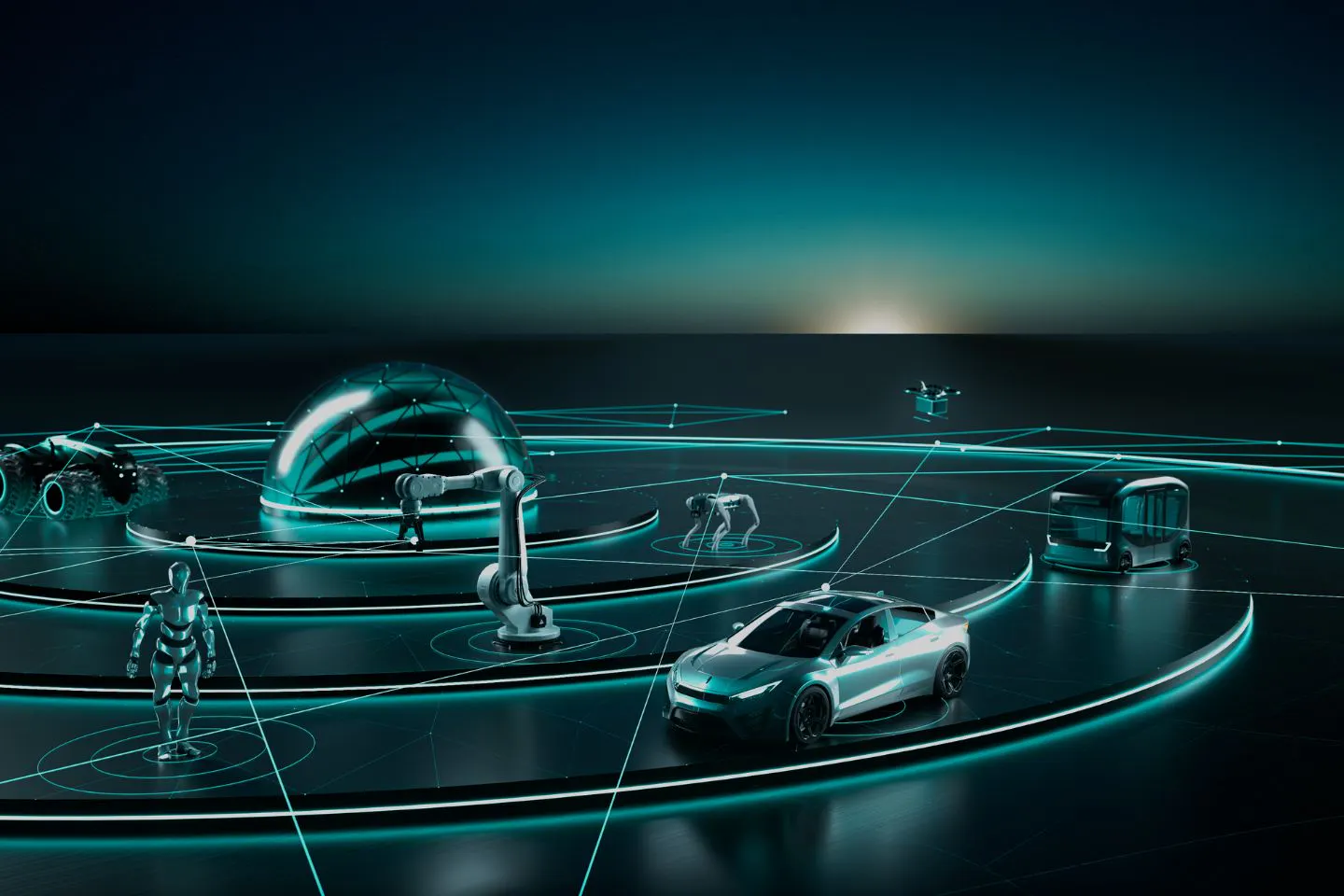
Key Visual 2026 Take a look at this year's key visual
Designed around trust at its core, the visual reflects a belief central to autonomous systems - 𝘢𝘶𝘵𝘰𝘯𝘰𝘮𝘺 𝘤𝘢𝘯 𝘰𝘯𝘭𝘺 𝘴𝘤𝘢𝘭𝘦 𝘸𝘩𝘦𝘯 𝘵𝘳𝘶𝘴𝘵 𝘪𝘴 𝘦𝘴𝘵𝘢𝘣𝘭𝘪𝘴𝘩𝘦𝘥.

Registration is open! Get your ticket: in person or online
Join us in Vienna or virtually to explore practical, safe, and scalable solutions in autonomous systems, and help shape the trusted future of autonomy.

First Confirmed Speakers The Voices Shaping Trusted Autonomy in 2026
Stay tuned for more speaker announcements!

Reger

Lars Reger is executive vice president and chief technology officer for NXP Semiconductors. He is responsible for managing new business activities, R&D in automotive, industry 4.0, the internet of things (IoT), mobile and connectivity & infrastructure. Prior to joining NXP as CTO of the automotive division in 2008, he was responsible for business development and product management within Continental’s connectivity business unit. In December 2018, Lars was appointed NXP’s CTO and has since then been responsible for the technology portfolio of NXP.
From Cars to Robots: Shared Foundations for Safe and Trusted Autonomy.
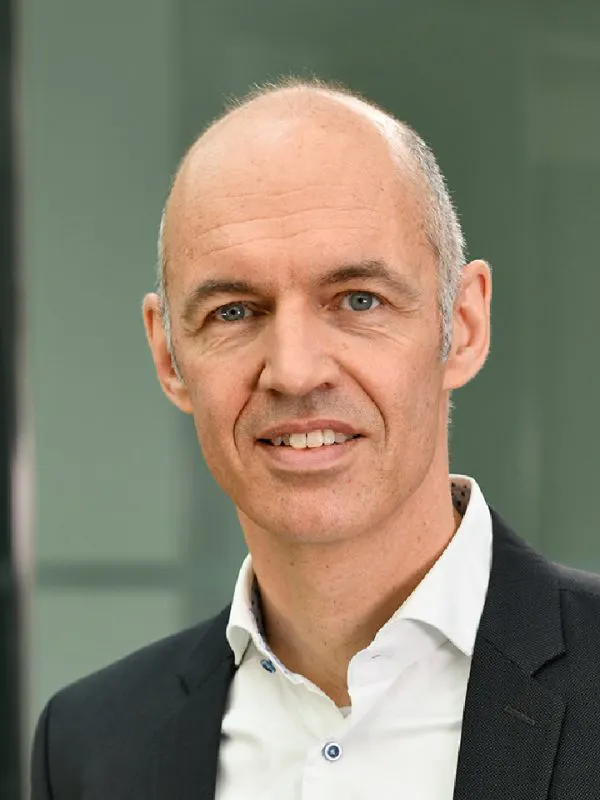
Pillin
Mathias Pillin is CTO of Bosch Mobility and a Board member since 2023. He began at ETAS in 1999 as a software developer, then joined Bosch, holding roles in software, electronics, sales, and project management. In 2012, he became Head of Development and SVP for Car Multimedia. From 2016–2019, he was EVP for Drivetrain Electrification, then President of Chassis Systems Control (2020) and Cross-Domain Computing Solutions (2021–2022).
From Cars to Robots: Shared Foundations for Safe and Trusted Autonomy.
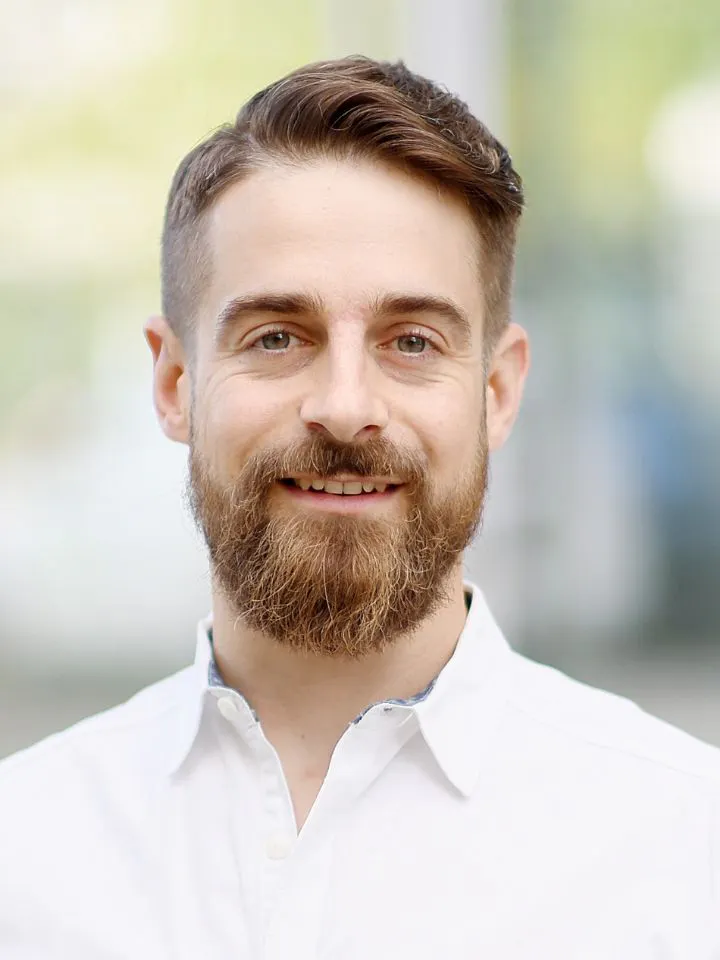
Fankhauser
Péter Fankhauser is Co‑Founder and CEO of ANYbotics, a Swiss robotics company developing AI‑driven autonomous mobile robots for industry. With 15 years in robotics and a PhD from ETH Zurich, he leads solutions that improve safety, productivity and sustainability in hazardous environments. ANYbotics operates globally from Zurich and San Francisco; its quadruped ANYmal is used across mining, energy and chemicals. The company has raised $150M from international investors.
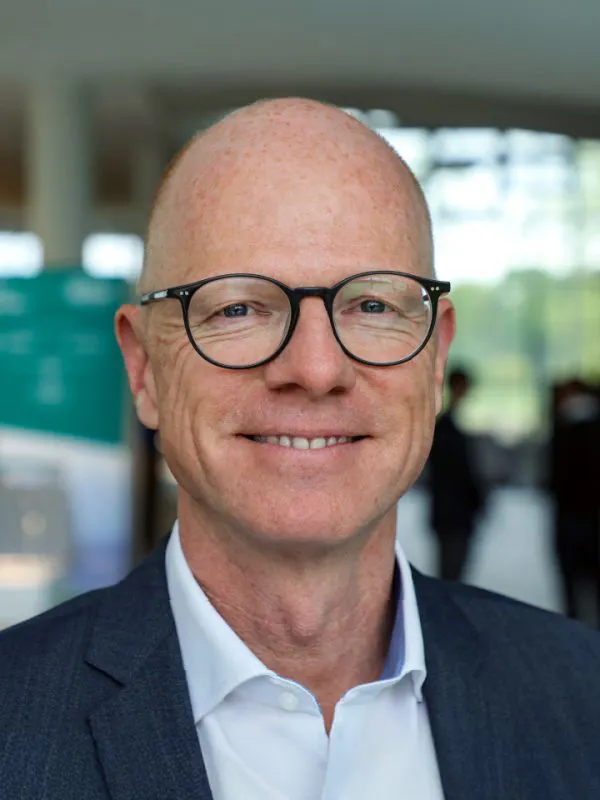
Schaefer
Peter Schaefer is leading the Automotive Segment of Infineon as Executive Vice President and CSO Automotive. Previously, he was Head of the Automotive Microcontroller Business Unit from 2008 to 2021, establishing the foundation to grow Infineon into a broadliner and market leader in automotive MCUs with product families like AURIX and TRAVEO T2G. He has been with Infineon and Infineon associated or predecessor companies since 1995.
Automotive and robotics trust foundations (Hosted by Infineon & NXP)
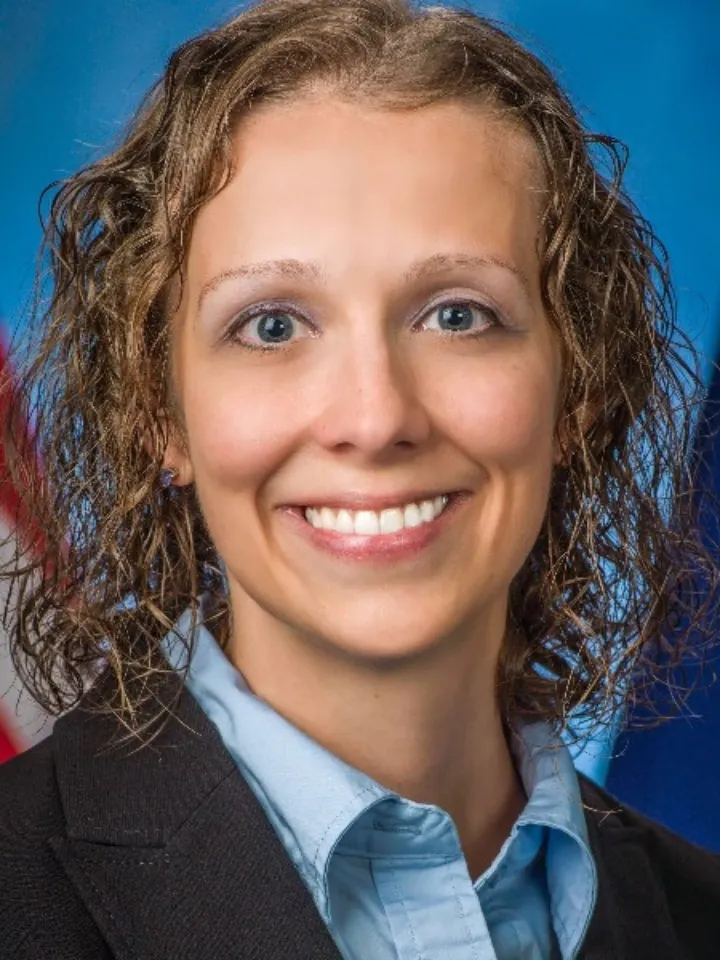
Badger
Julia Badger is a robotics and autonomous systems leader at NASA, recognized for advancing technologies that will support future lunar and deep-space exploration. She currently leads initiatives in Moon Base surface mobility and has held key leadership roles on the Lunar Gateway program, including autonomy, verification, and systems management. Holding a PhD in Mechanical Engineering from Caltech, Julia combines expertise in robotics, controls, and formal methods to develop innovative solutions for autonomous spacecraft and human spaceflight missions.
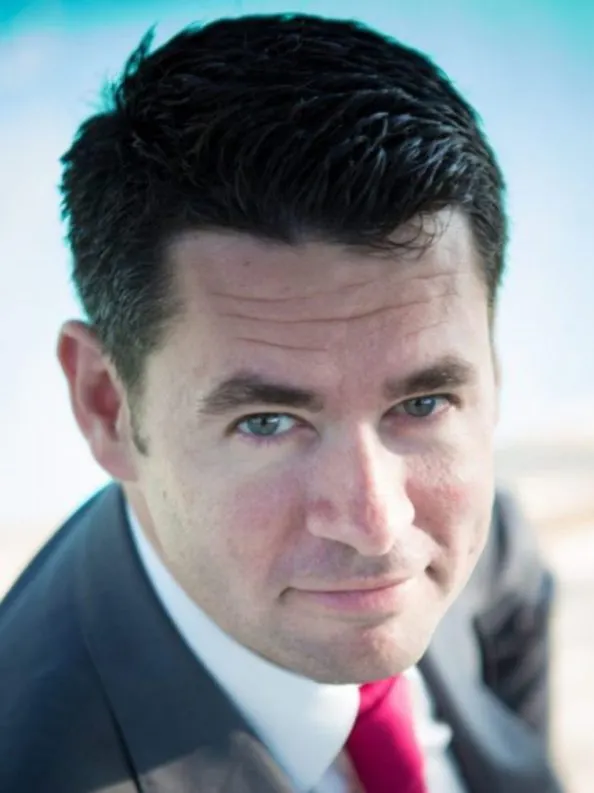
Loesekrug-Pietri
André Loesekrug‑Pietri is Chairman & Scientific Director of the Joint European Disruptive Initiative (JEDI), Europe’s ARPA‑style program funding breakthrough technologies for competitiveness and sovereignty. With experience across private equity, industry, entrepreneurship and government, he drives “moonshot” programs in energy, materials, life sciences, AI, quantum, semiconductors and space. Franco‑German, he serves on major boards and is a reserve Colonel in the French Air & Space Force.

Sohn
Young Sohn is a Silicon Valley business executive and investor. He is currently a Founding Managing Partner at Walden Catalyst Ventures, an over $550M early-stage venture capital fund dedicated to deep-tech investments focused on data & AI across North America, Europe, and Israel. Previously Corporate President and Chief Strategy Officer for Samsung Electronics, as well as CEO of two Silicon Valley public companies (Inphi, Oak) and board member of Arm, Cadence, Cymer (ASML), and others, he now serves as Chairman of the Board of HARMAN International.
Making a Real-World Impact: Safe and Secure Software-Defined Autonomy

Salvatori
Enrico Salvatori is SVP & President of Qualcomm Europe. In this role, Enrico is responsible for Qualcomm’s EMEA strategy, ensuring that OEMs and operators drive new technology adoption throughout all EMEA markets. His role oversees all areas of technology innovation, including smartphones, automotive, IOT, connectivity and the transition to 5G. Enrico joined Qualcomm in 2002 as a member of the product marketing team in Europe for QCT. He has a master’s degree in electronic engineering from the University of Rome.
Will Mobile Machines Be First? Scaling Physical AI and Autonomous Machines in the Off-Highway Market.

Stürmer
Dr. Ingo Stürmer is CTO & Head of Technology at Volvo Autonomous Solutions, leading strategy for autonomous transport. He brings 20+ years in autonomous systems, with senior roles at CARIAD (VW Group), Audi, Aptiv, Cruise, and Einride across vehicle automation, software-defined platforms, robotaxis, and Tier 1 systems. He holds a PhD in software engineering (Bundeswehr University Munich), focusing on safety-critical systems and scaling autonomy to production.
Will Mobile Machines Be First? Scaling Physical AI and Autonomous Machines in the Off-Highway Market.
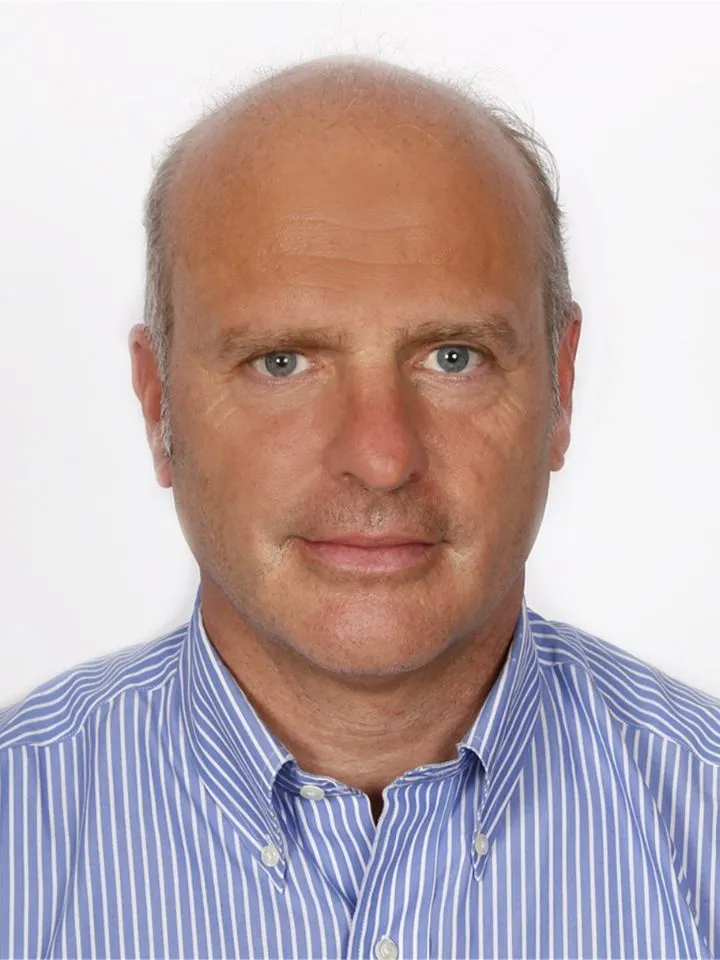
von Schierstaedt
Philipp von Schierstaedt is Chief Sales Officer Consumer, Compute & Connectivity, Infineon Technologies (CCC) segment. Since joining in 2001, he has held several leadership roles, including Chief Marketing Officer of the Power & Sensor Systems division and head of the Communication & Payment and Radio Frequency & Sensors business lines. He studied mechanical engineering and economics.
Semiconductor Solutions for Humanoid Robotics
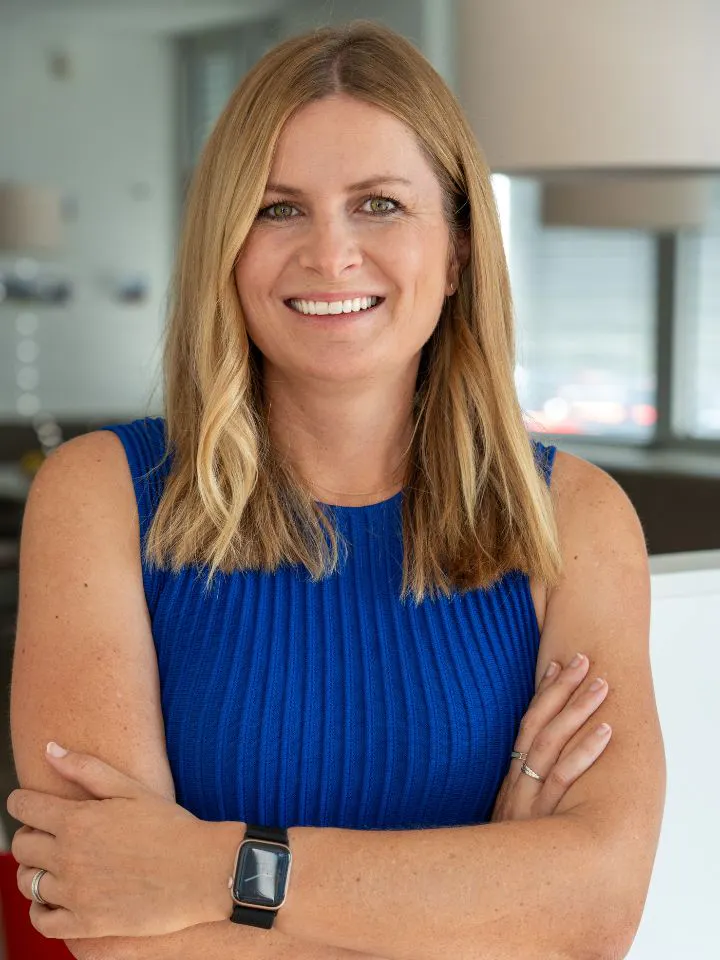
Strohrmann
Dr. Christina Strohrmann is Head of AI Research at Bosch Corporate Research, leading work across foundational AI, intelligent sensing, and scaling research into products. She holds a PhD in Electrical Engineering (ETH Zurich) and an MSc in IT (Univ. Kaiserslautern). Since 2013 at Bosch Sensortec, she has worked on advanced sensor technologies. With 10+ years across MEMS, TMR, optical sensors, and AI-driven products, she leads innovation from concept to production.
Building Secure and Scalable Edge AI Frameworks for Autonomous Systems.
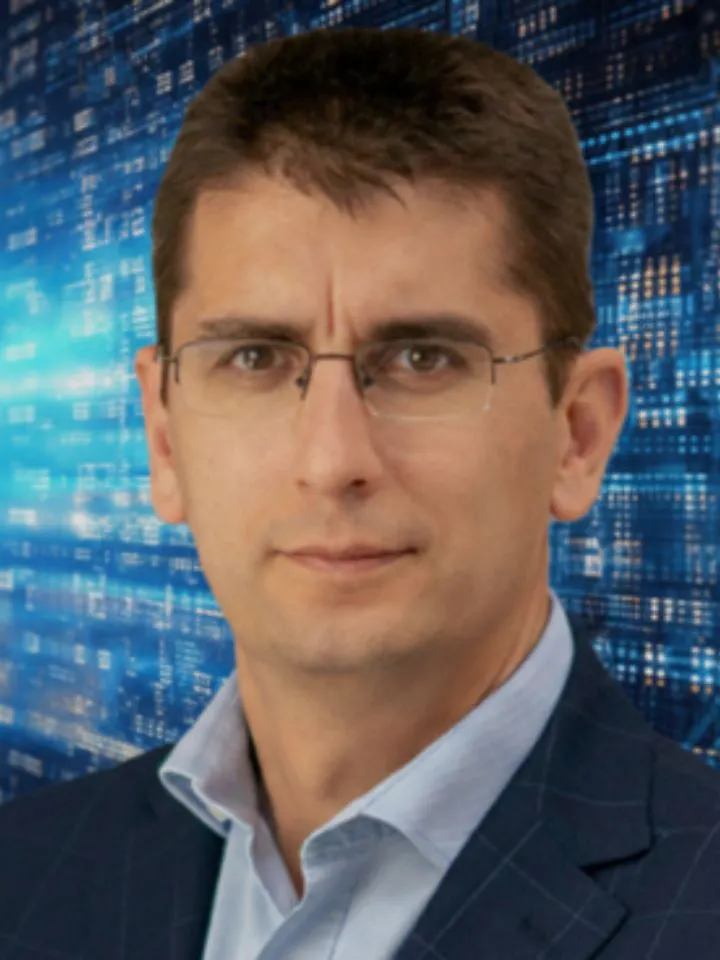
Mabire
Gilles Mabire is Chief Technology Officer at Valeo Brain, leading innovation in software‑defined vehicles and next‑generation automotive systems. With over 30 years in the industry, he previously served as CTO Automotive and Head of Software and Central Technologies at Continental, driving the shift from embedded systems to cloud‑connected mobility. He has held senior leadership roles across infotainment, connectivity and vehicle platforms, shaping the evolution of AI‑driven automotive technologies.
Building Secure and Scalable Edge AI Frameworks for Autonomous Systems.
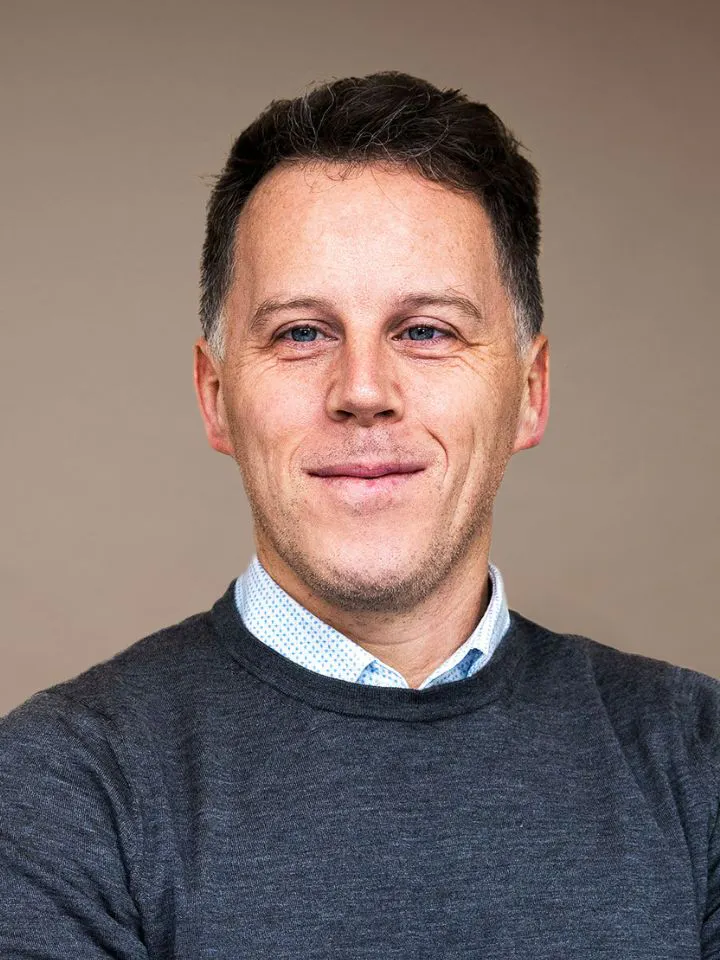
Fabris
Simone is VP of Product & Delivery at Wayve, leading product, automotive and customer programs to deliver AI‑driven software for autonomous vehicles, while ensuring safety, quality and compliance. With 15+ years in AV and ADAS, he previously led platforms, safety and industrialization at Mobileye, and held senior roles at ZF. He specializes in scaling innovation, product leadership and program execution, and has published work on automotive safety methods.
Building Secure and Scalable Edge AI Frameworks for Autonomous Systems.

Andermann
Dorothee Andermann is a technology executive with over 25 years of experience. She serves as Google Cloud’s Head of Technical Account Management for Automotive, Retail, Travel & Logistics. With deep expertise in manufacturing and process industries, she pioneered new solutions at SAP and start‑ups, including the first SaaS on SAP HANA, and scaled an IoT platform to 1,000 users within a year. A mathematician by training, she is known for translating AI innovations into tangible business value.
Your 100 AI Pilots Are Not a Strategy: Are You Ready for Multi-Agent Orchestration?

Jungwirth
Johann Jungwirth leads Mobileye’s AV group and is responsible for the development and releases of Mobileye's L2+ to L5 AV products, including Mobileye SuperVision, Mobileye Chauffeur and Mobileye Drive. He is also responsible for the global deployment and rollout of Mobileye’s Mobility-as-a-Service business based on self-driving vehicles, including the global MaaS scale-out strategy, vehicle programs, fleets, mobility platform and services. Before joining Mobileye in 2019, he held engineering leadership roles at some of the world’s biggest automakers.
Scene understanding: how do self-driving cars "see the world"?
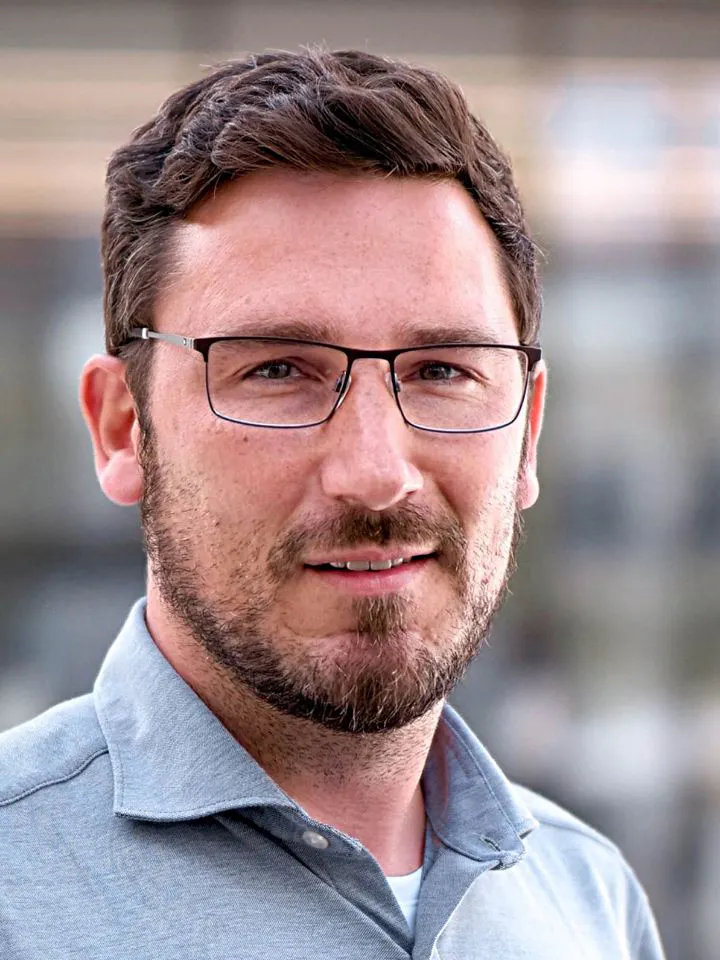
Nordmann
Dr.-Ing. Arne Nordmann received his PhD in Software Engineering for robotic systems in 2015. From 2015 to 2022, he worked at Bosch Corporate Research on system engineering projects in both robotics and highly automated driving. Since 2022, he has served as Vice President Technology & Innovation at NEURA Robotics, overseeing software and hardware development as well as system integration across all robotic platforms.
From Cars to Robots: Shared Foundations for Safe and Trusted Autonomy.
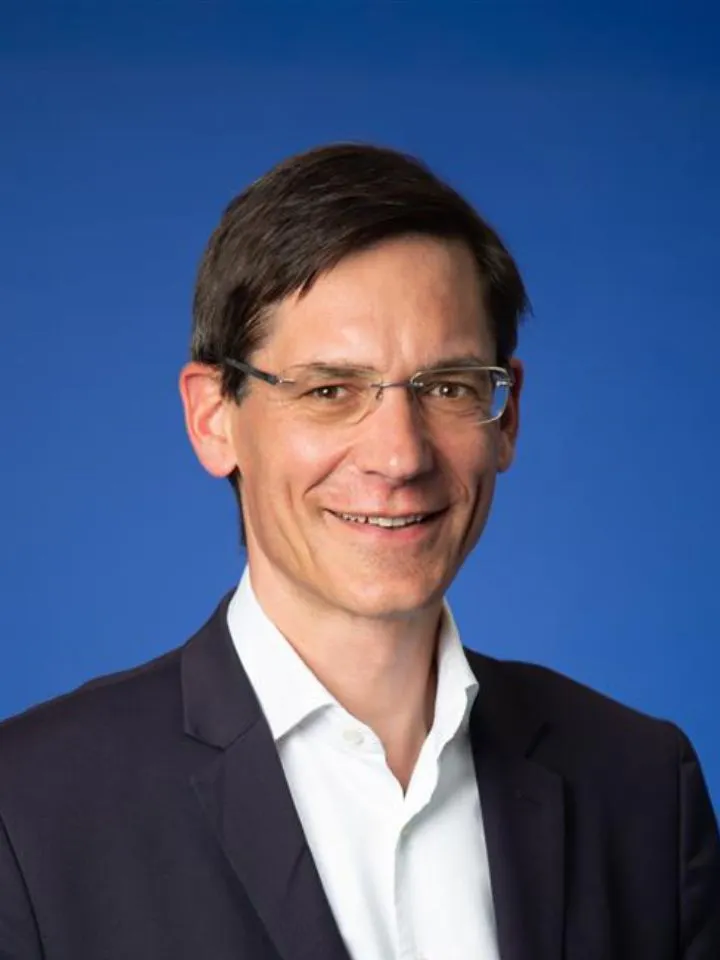
Kopetz
Georg Kopetz is co-founder, CEO and member of the executive board at TTTECH. As the company’s Chief Executive Officer, he is responsible for the overall strategy of the corporation, marketing, sales, finance and human resources. He also serves as the President of TTTech’s joint-venture company TTControl in Brixen/Bressanone, Italy. After attending school in Germany, Austria and the US, he studied law at the University of Vienna in Austria and at the Université Paris II (Panthéon-Assas) in France.
Building Trust for Autonomy to Scale
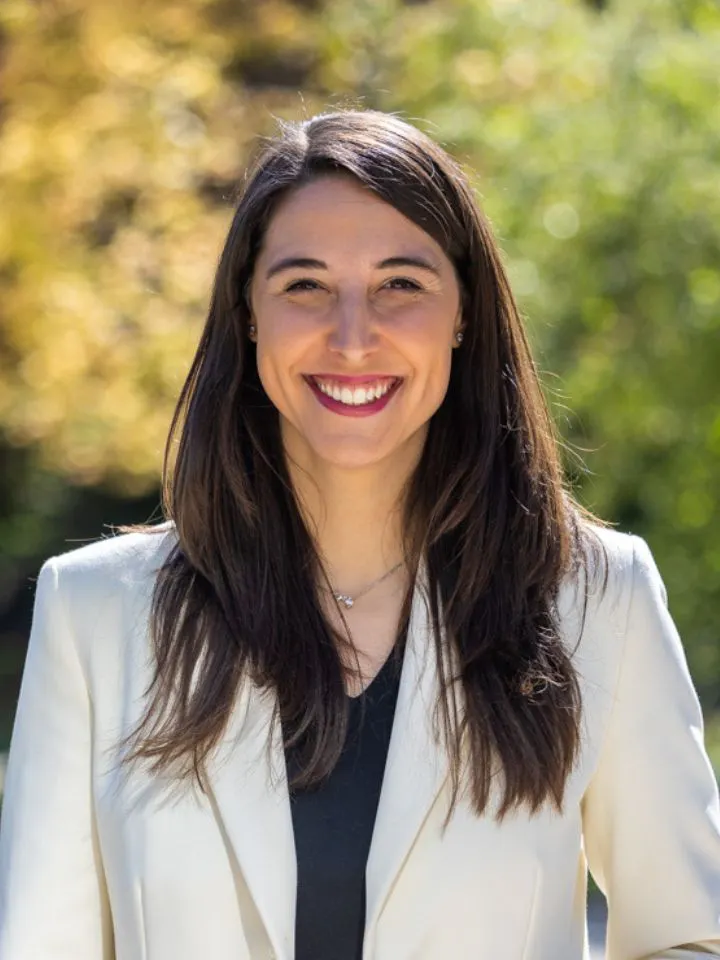
Kircher
Sophia Kircher is a Member of the European Parliament (EPP, Austria) since 2024 and Vice‑Chair of the Transport and Tourism Committee (TRAN). She is also a substitute member of IMCO and part of the EU‑US delegation. Previously, she was First Vice President of the Tyrolean State Parliament. Since 2025, she serves as President of YEPP. She holds multiple leadership roles within the Austrian People’s Party and studied International Business and Economics in Innsbruck.
Building Trust for Autonomy to Scale
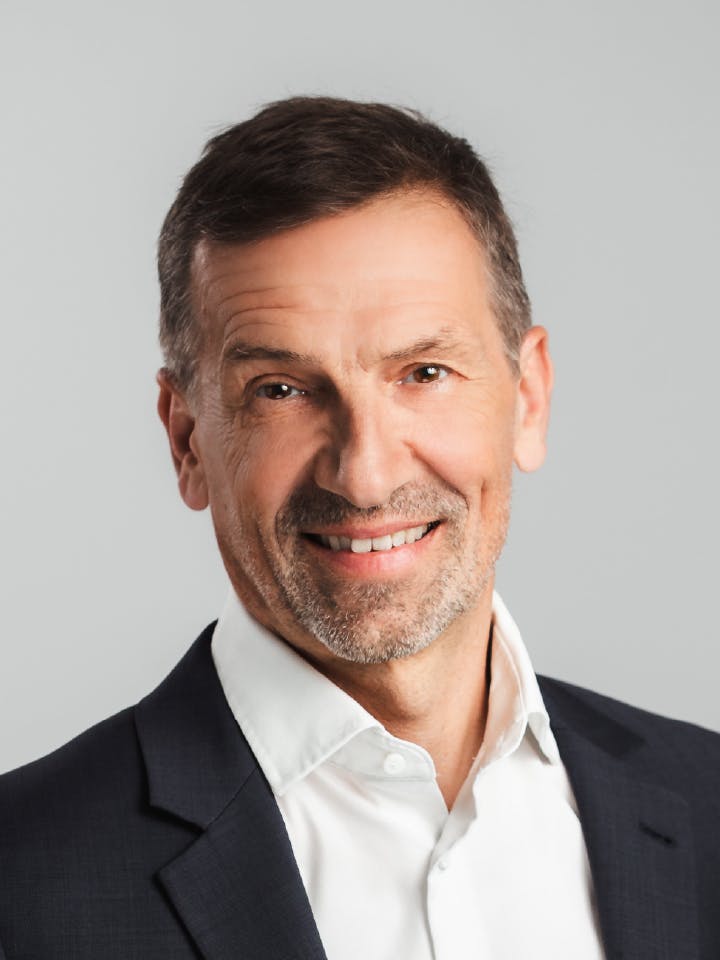
Poledna
Dr. Stefan Poledna is the CTO at TrustMotion (former TTTech Auto). He is responsible for the technology roadmap, all scientific topics and quality management in both companies. Dr. Stefan Poledna has over 30 years of international industry experience in innovative embedded systems development. He has authored several patents with a focus on safety, communication, and automated driving. He received his Ph.D. degree in computer science with distinction from Vienna University of Technology, where he also lectures on Dependable Computer Systems.
Building Secure and Scalable Edge AI Frameworks for Autonomous Systems.
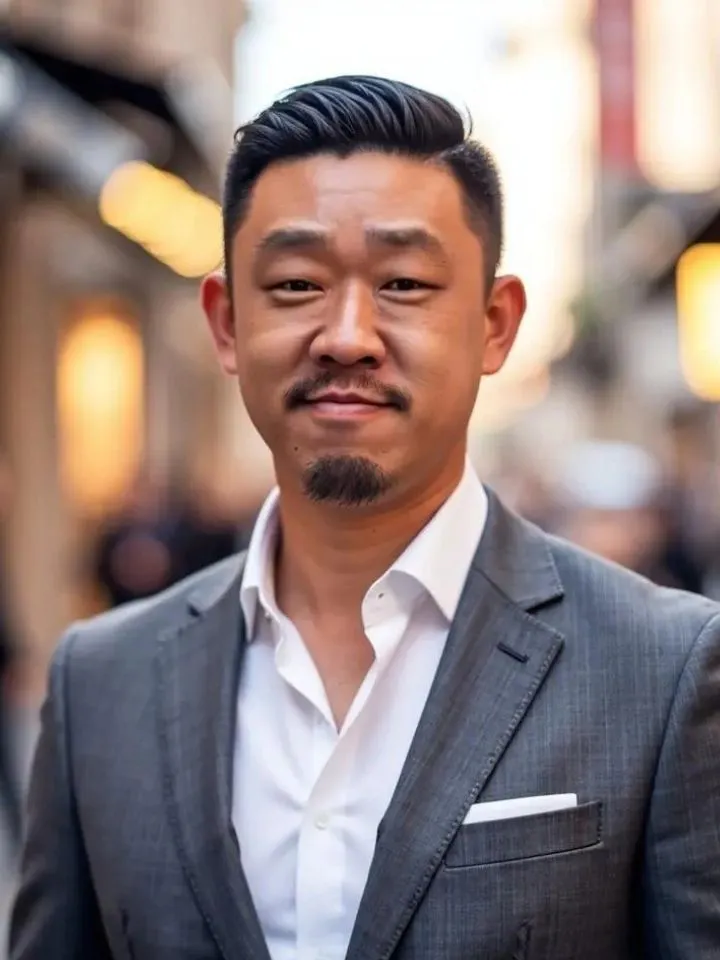
Xu
Peng Xu is Vice President at Horizon Robotics and GM of the Automotive Business Unit Europe. He was formerly Senior Director at Audi China, leading Technology Strategy, Innovation & Partnering, and Deputy Head of R&D, transforming a 250+ person organization. At Volkswagen China, he led Economy Markets & Special Projects and served as Executive Assistant to the CEO. Earlier at Audi AG, he worked on electrification strategy (e-tron) and managed A6 localization in China.
Building Secure and Scalable Edge AI Frameworks for Autonomous Systems.
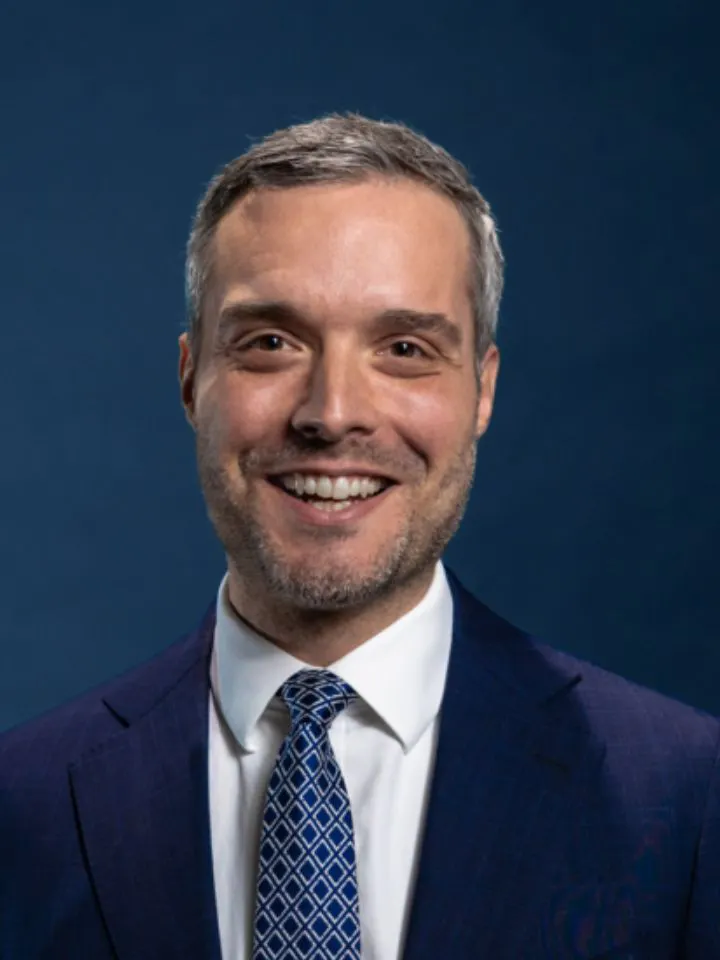
Geber
Frederic Geber is a lawyer and Partner at PSWP (commercial law firm specializing in public & regulatory law), focusing on AI, data, and mobility. He advises on complex cross-border projects, regulatory compliance, and represents clients before German and EU authorities and courts. His expertise spans AI governance, automotive regulation, energy, and finance, with a strong focus on technology-driven legal frameworks and risk management.
Regulating Trust – How Autonomous Systems Move From Testbed to Scale.
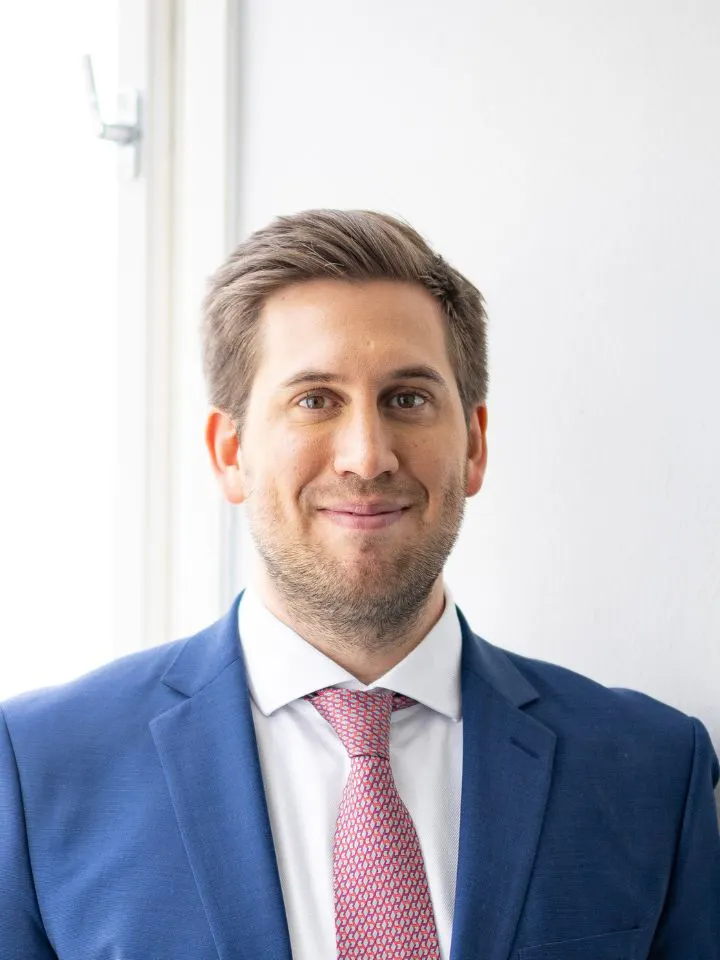
Pröll
Alexander Pröll is State Secretary at the Austrian Federal Chancellery since March 2025. He previously served as Secretary General and Managing Director of the Austrian People’s Party, and as an advisor in the Federal Chancellery. He holds an LL.M. and LL.B. in Business Law from WU Vienna, with a background in political management, strategy, and public administration.
Building Trust for Autonomy to Scale
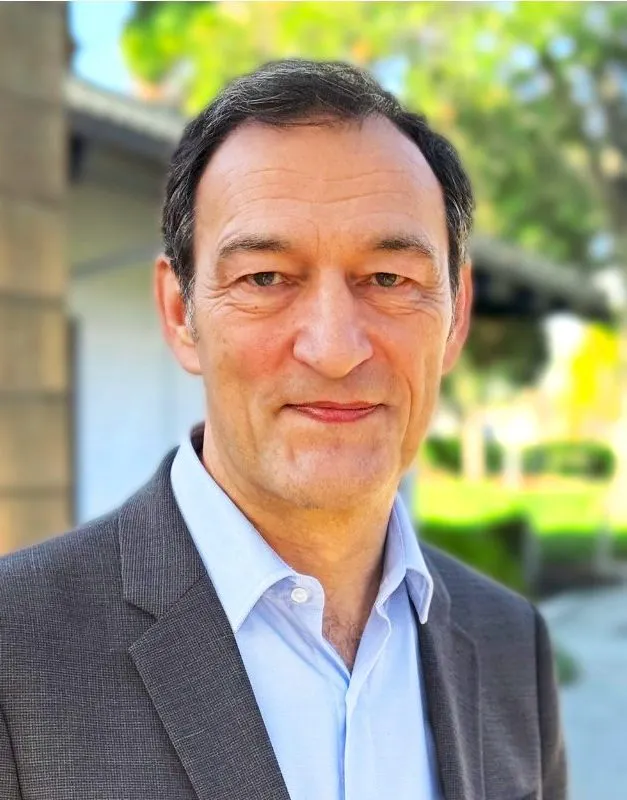
Corjon
Alexandre Corjon is Senior Vice President of Engineering at Sonatus, where he leads teams advancing AI‑driven software‑defined vehicles. With over 30 years in automotive and aerospace across OEM and Tier‑1 environments, he has held senior roles at OPmobility and the Renault‑Nissan Alliance, including President of Software Labs. He has driven the shift to software‑centric vehicle architectures and the integration of data‑ and AI‑enabled systems.
Building Secure and Scalable Edge AI Frameworks for Autonomous Systems.

Alonso
Dr. Maria J. Alonso leads the Autonomous Systems portfolio at the World Economic Forum, spearheading the ongoing work around autonomous mobility and robotics. Throughout the portfolio activities, she collaborates with C-suite and VP-level executives to ensure the responsible development and deployment of these technologies. She holds a Ph.D. in new mobility services from Delft University of Technology, and Masters in Civil Engineering from the Technical University of Munich and the Technical University of Madrid.

Hudi
With over 32 years of experience in the automotive and technology industry, Ricky Hudi acts as Chairman of The Autonomous. Passionate about innovation and the development of autonomous driving technologies, Ricky is a true pioneer in the mobility sector. After holding various roles at BMW AG and AUDI AG he took over in January 2009 as EVP Development Electrical/Electronic AUDI AG. He also founded his own company “FMT – Future Mobility Technologies” and is leveraging a world-wide network of key players in the autonomous driving industry.
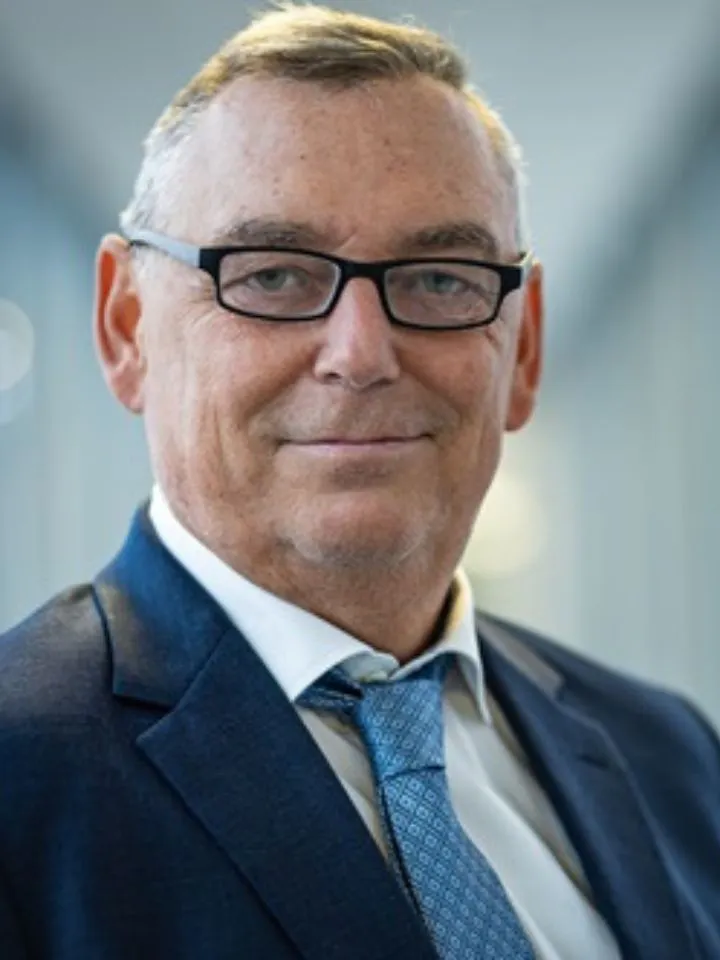
Biringer
Thomas Biringer, a mechatronics graduate of JKU Linz specializing in automation and semiconductor design, began his career at Magna, spending 10 years in roles including start-up manager for BMW X3 production and Global Operations Manager Powertrain (Europe & Asia). He later worked 13 years as an interim manager (CRO) for family businesses. Since June 2025, after a year as interim CTO, he is CTO of Rosenbauer, leading global vehicle, component, and AI development.
Will Mobile Machines Be First? Scaling Physical AI and Autonomous Machines in the Off-Highway Market.

Benz
Matthias Benz is CEO and Chairman of the Managing Board at Zeppelin since October 2024, after joining its Group Managing Board in July 2024. He previously led Neuman Aluminium / Raufoss Technology as Managing Director and was part of the CAG Holding leadership team. Before that, he held senior roles at ZF Group, including CFO North America, Managing Director ZF Services, Board Member ZF Marine, and EVP Sales & Customer Development.
Will Mobile Machines Be First? Scaling Physical AI and Autonomous Machines in the Off-Highway Market.
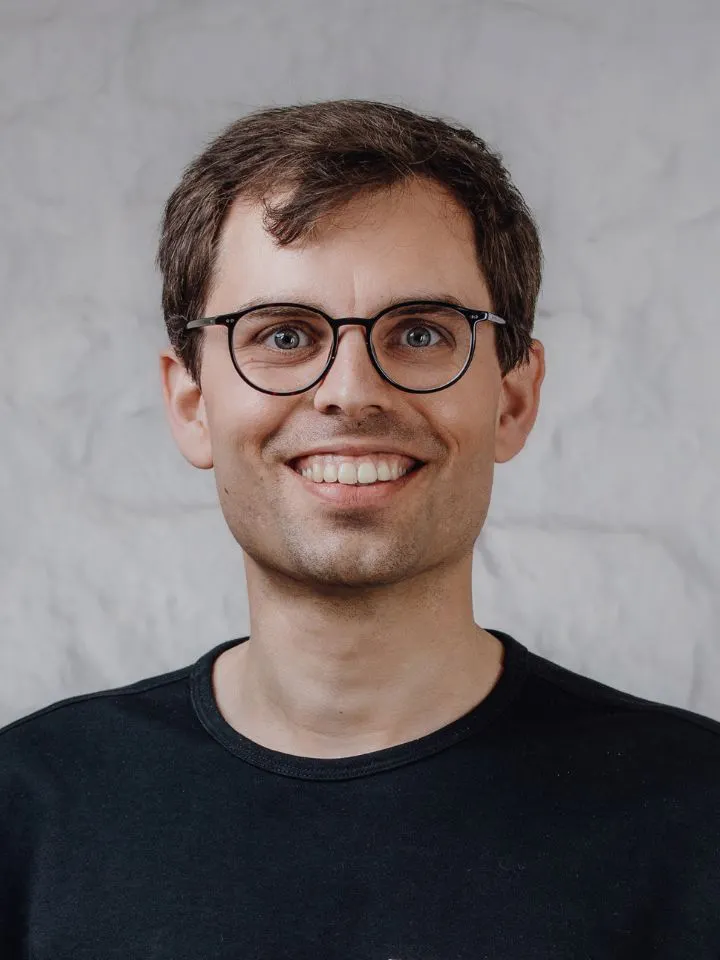
Joseph
Dr. Jan Moritz Joseph is Co‑founder and CEO of Roofline, enabling seamless deployment of modern AI workloads on edge devices. Working with semiconductor partners such as NXP and Arm, Roofline supports cutting‑edge on‑device AI models. The company focuses on physical AI, including industrial IoT and automotive systems. With a background in AI systems and edge computing, he combines entrepreneurial leadership with a strong focus on turning advanced research into commercially viable products.

Boone
Jennifer has spent her entire adult life on stages, in front of the camera or at the microphone, in Trinidad &Tobago, the UAE and Europe working as a performing artist, presenter and voice over artist. Additionally she studied media management and media journalism and is currently doing her master's in business psychology. Continuously learning and receiving new perspectives is her great passion. In her free time she loves to travel to new places, spend time with friends and family or try out any kind of sport.
Preliminary Agenda 2026
Join us on September 23–24 as we explore how trust enables autonomy to scale across industries under the theme Building Trust for Autonomy to Scale.
Click on the sessions to see the detailed description.
Workshops: Multiple workshops are available. Please register for your preferred session during registration, or update your existing registration here.
Safety Autonomous Driving: Requirements and Architecture Since 2021, The Autonomous Working Group on Safety & Architecture has united OEMs, Tier-1 suppliers, semiconductor companies, and academia to develop a shared system-level architecture for automated driving. Its reports, Safe Automated Driving: Requirements and Architectures (2023 and 2025), introduced eight candidate SAE Level 4 Highway Pilot architectures, an evaluation framework, analysis of seven safety standards, and a methodology for assessing sufficient independence between redundant channels. This workshop focuses on three emerging research areas shaping future whitepapers: safe consolidation of mixed-criticality functions on a single compute platform, methodologies for evaluating sufficient independence in SOTIF, and architectural approaches for ensuring the safety of AI-based systems such as end-to-end driving stacks, vision-language-action models, and world models. Attendees will gain early insights into ongoing research, explore how these topics intersect, and contribute feedback to future industry initiatives. The session concludes with an open Q&A and opportunities to participate in upcoming workstreams.
Autonomous systems must comply with multiple safety, security, and regulatory frameworks simultaneously. While these regimes often share similar objectives, they differ in how they define regulated objects, assign responsibilities, and evaluate compliance evidence. These differences frequently create challenges at the boundaries between regulatory domains. This interactive workshop examines three fundamental questions that every regulatory framework answers differently: what is the regulated object, who is responsible for compliance, and what evidence is required to demonstrate conformity over time. Participants will explore how products, systems, software, and data may be treated differently across regulations, how responsibilities shift among manufacturers, providers, deployers, and approval holders, and how documentation, assessments, and management systems support compliance. Using a practical mapping approach, attendees will analyze their own systems against overlapping regulatory models, identify areas where decompositions conflict or create compliance gaps, and determine which evidence artifacts can be reused across regimes. The session provides valuable insights for navigating complex regulatory landscapes, improving compliance strategies, and ensuring that safety and security obligations are addressed consistently across the autonomous systems lifecycle.
The Strategic Paradigm Shift in Autonomous Systems Architecture As autonomous systems evolve beyond software-defined architectures, the next wave of innovation lies in AI-defined mobility and robotics. This workshop explores how decentralized, hardware-optimized Physical AI can bring intelligence directly into motion systems, reducing latency, lowering communication overhead, and enabling real-time adaptation in demanding operating environments. Participants will learn how a zonal E/E architecture can balance performance, scalability, and cost across automotive and robotic platforms. The session examines three architectural layers: centralized compute platforms for data-intensive automation and path planning, intelligent zone controllers that leverage on-device learning to optimize vehicle and robot behavior in real time, and smart endpoints that execute localized control functions directly at sensors and actuators. The workshop also introduces Physics-Inspired Neural Networks (PINNs) as a promising approach to overcoming the limitations of traditional black-box AI models. By integrating machine learning with physical laws and engineering constraints, PINNs can improve transparency, accelerate development cycles, support adaptation to component wear throughout a product's lifecycle, and strengthen safety through deterministic, physics-based boundaries. Attendees will gain practical insights into next-generation autonomous systems architectures and discover strategies for deploying efficient, scalable, and trustworthy AI in mobility and robotics applications.
Building trusted test environments and regulatory sandboxes for scalable autonomy Autonomous technologies have advanced significantly, yet large-scale deployment across Europe remains challenging. The key issue is no longer proving that autonomy works, but demonstrating that autonomous systems can operate safely, reliably, and economically in real-world environments. This workshop examines how Europe can accelerate the deployment of trusted autonomy while maintaining the high safety, privacy, and regulatory standards that underpin public trust. Participants will explore the barriers that often prevent successful pilot projects from progressing to industrial-scale implementation, including approval processes, regulatory complexity, and fragmented deployment pathways. Particular attention will be given to the role of restricted-access environments, such as automated valet parking facilities, construction sites, intralogistics operations, and car washes, as practical testing grounds for large-scale validation. Combined with regulatory sandboxes, these environments can provide controlled conditions for safely validating autonomous technologies and accelerating market adoption. Led by experts from the AIT Austrian Institute of Technology, the workshop brings together technology developers, operators, industry representatives, and regulatory stakeholders to exchange experiences and identify practical solutions. Attendees will gain insights into the conditions needed for scalable deployment and contribute to discussions that may shape future collaborations, pilot projects, and policy recommendations for trusted autonomous systems in Europe.
-
Welcome and Coffee12:45 - 13:30
-
Workshop I : Safety Autonomous Driving: Requirements and ArchitectureHosted by The Autonomous WG Safety & Architecture, this workshop explores advances in automated driving safety, including one-chip compute, SOTIF methodologies, and AI safety architectures for next-generation autonomous vehicles.13:30 - 15:00
-
Workshop II : One System, Many Decompositions — Mapping Scope, Actor and Evidence Across Regulatory RegimesHosted by MSG Plaut, this workshop explores how different safety, security, and regulatory frameworks define systems, responsibilities, and evidence requirements, helping organizations identify compliance gaps and manage overlapping obligations.13:30 - 15:00
-
Break15:00 - 16:00
-
Workshop III: Shifting to AI-Defined Mobility & RoboticsHosted by Infineon, this workshop explores how to perfectly balance computing power and cost efficiency using a smart, zonal E/E architecture tailored for automotive and robotic platforms.16:00 - 17:30
-
Workshop IV: From Pilot to Practice: Accelerating the Industrial Deployment of Autonomous Systems in EuropeHosted by Austrian Institute of Technology (AIT), this interactive workshop explores practical, regulatory, and operational pathways for scaling trusted autonomous systems in Europe, bridging the gap between successful pilots and real-world deployment.16:00 - 17:30
Welcome Address by Ricky Hudi, Chairman and the co-founding members of The Autonomous Association: - Georg Kopetz, CEO - TTTECH - Peter Schaefer, Executive Vice President and CSO Automotive - Infineon - Lars Reger, CTO - NXP
The fireside chat brings together visionary leaders and politicians to explore how to scale autonomy through trust, uniting industries around shared responsibility. Featuring the following speakers: - Georg Kopetz, CEO - TTTECH - Young Sohn, Founding Managing Partner - Walden Catalyst Ventures - Alexander Pröll, State Secretary - Republic of Austria - Sophia Kircher, Member of the European Parliament - European Parliament
Automotive systems and humanoid robots are developed for very different use cases, yet both must meet the same fundamental expectations: they must be safe, secure, robust, and ultimately trusted by users and society. This panel explores the shared system‑level foundations that enable autonomy in both domains, as well as the points where their architectures, failure behaviors, and constraints diverge. The discussion will focus on backbone design choices, compute, power, communication, actuation, safety mechanisms, and security - and how these shape scalability and long‑term reliability. Trust will serve as the unifying theme, grounded in the prevention of physical, financial, and reputational harm, and supported by standards, validation, and responsible AI integration. By examining how an established ecosystem and a rapidly emerging one can learn from each other, the panel aims to illuminate practical paths toward building scalable, trustworthy autonomous machines. Panelists: Moderator: Jennifer Sarah Boone - Event host and moderator - Lars Reger, CTO - NXP - Peter Schaefer, EVP & CSO Automotive - Infineon - Mathias Pillin, CTO - Bosch - Arne Nordmann, VP Technology & Innovation - NEURA Robotics - Riccardo Mariani, VP of Industry Safety - NVIDIA
Johann "JJ" Jungwirth presents Mobileye’s next chapter in autonomous mobility: Evolving from an AV technology provider toward autonomous mobility services. His keynote will offer a glimpse into Mobileye’s latest autonomous-vehicle developments, the capabilities that enable scalable deployment, and the strategic thinking shaping the company’s approach to the emerging AV ecosystem. The session will focus on Mobileye’s own journey, from developing the core technology for autonomous driving to building the operational expertise needed to deploy and manage AV services in real-world environments. JJ will explore how Mobileye’s ambition to operate its own AV fleet represents a strategically important complement to its technology business. By gaining direct operational experience, validating systems at scale, and accelerating learning across the full service lifecycle, Mobileye can strengthen its ability to support existing AV partners. It also considers the organizational and operational foundations required for sustainable growth. The keynote outlines a vision in which technology, fleet operations, and service delivery work together to help make autonomous mobility practical, reliable, and accessible.
AI is essential for enabling autonomous systems such as self-driving vehicles, robots, and drones, especially in safety-critical, real-time contexts requiring on-device edge processing. These systems combine multiple edge AI components for sensing, perception, decision-making, and control. In this panel, speakers will discuss the continuous “flywheel” that drives their evolution: large data lakes for training, cloud-based model development, over-the-air updates, software-defined architectures, and ongoing data collection. This infrastructure also extends beyond autonomy, enabling applications like predictive maintenance and virtual sensor capabilities and performance monitoring across deployments. Panelists: Moderator: Stefan Poledna, VP System Incubation & CTO - TrustMotion - Christina Strohrmann, Head of AI Research - Bosch - Peng Xu, VP Horizon Robotics, GM Automotive Europe - Horizon Robotics - Gilles Mabire, CTO (Valeo Brain division) - Valeo - Alexandre Corjon, SVP of Engineering - Sonatus - Simone Fabris, VP Product and Delivery - Wayve
In refineries, steel plants and power stations, an hour of unplanned downtime can cost hundreds of thousands. Autonomous mobile robots now automate inspection and asset integrity monitoring in these facilities, catching problems before they force a shutdown. Across tens of thousands of operating hours and hundreds of deployments, one factor consistently determines whether a robot moves from trial to daily operation. That factor is trust, meaning whether the people working around the robot are confident it will do the right thing consistently and repeatedly. This keynote examines what building that trust requires, structured around four pillars: safety, consistency, transparency and security. It looks at why each is essential, how they reinforce one another, and what changes once trust is established. As confidence grows, the role of the human shifts, from keeping a human in the loop, to a human on the loop, and toward robots trusted to act on their own.
Self-driving cars and buses are already carrying passengers. Delivery robots navigate sidewalks. Teledriven cars are operating in city streets and highways. The technology is ready – but scaling it is a different story. What is missing is trust from the public, from regulators, and from investors. In this fireside chat, regulators and industry leaders explore what it takes to build that trust and why smart regulation is central to the answer. How can Europe approve new technologies faster without lowering the bar on safety? What can we learn from the US, where companies launch first and regulators step in later? And what role should industry play in shaping the rules, rather than just following them? Featuring the following speakers: - Moderator: Frederic Geber, Partner - PSWP - Gesa Gräf, Government Affairs Manager - DACH - Starship Technologies - Franco Accordino, Head of Unit “Intelligent Connected Mobility, Energy and Internet of Things” - European Commission - Maria Alonso, Autonomous Systems Lead - World Economic Forum
TrustMotion and TTTech Computertechnik will host a Spotlight Session at The Autonomous 2026, titled "Software-defined, autonomous systems innovation: aligning research, industry and policy for deployment”. The session will showcase how European collaborative ecosystems together with industrial efforts are driving the future of autonomous systems in automotive, robotics, off-highway and aerospace. The discussion will highlight Europe’s sovereignty and resilience in shaping safe and secure software-defined systems, with a strong focus on bridging the gap between cutting-edge research and real-world industrial applications within the evolving EU policy landscape. The session will begin with keynote contributions from leading experts, followed by a panel discussion addressing key innovations such convergence of edge, cloud and AI capabilities, distributed intelligence and abstraction layers to accelerate cross-domain deployment. The session will also underline the importance of cross-industry collaboration in building a robust autonomous ecosystem, and attention will also be given to the increasing compliance requirements driven by AI-enabled technologies. Topics will also address the integration of functional safety, cybersecurity, and deterministic behavior at the architectural level for enabling certification, real-time reliability, and scalable deployment of autonomous systems in safety-critical domains. Bringing together experts, researchers, industry professionals, and policymakers, the session will reflect ongoing collaborative efforts to tackle current challenges and accelerate deployment across Europe.
A new era is dawning. Artificial intelligence is stepping off the screen and into the physical world - walking, reaching, sensing, and thinking in real time. Physical AI is no longer a distant promise. It is happening now, and it is being built on semiconductors. In this keynote, Philipp von Schierstaedt, market expert, robotics enthusiast, and Chief Sales Officer at Infineon Technologies, tells the story of how chips are quietly powering one of the most profound technological shifts of our time. From the intelligence behind a robot's gaze to the precision of its fingertips, every capability a humanoid robot possesses traces back to the semiconductors inside it. Philipp explores what it truly takes to bring a humanoid robot to life: the thousands of semiconductors orchestrating perception, thought, and movement across every joint, every step, and every gesture. He makes the case that in the age of Physical AI, semiconductors do not simply support the system. They define it. As a trusted system enabler, Infineon brings together power, control, sensing, connectivity, functional safety and security into cohesive solutions that allow innovators to move from bold idea to real-world deployment, smarter and faster. The robot renaissance is here. And at its core, there is a chip.
Will Mobile Machines Be First? Scaling Physical AI and Autonomous Machines in the Off-Highway Market Autonomy in off-highway industries is entering a decisive phase. While software-defined vehicles and autonomous driving in passenger cars have been discussed for over a decade, a critical question is emerging: could off-highway markets be the first to scale? At the core of this shift is physical AI: embedding intelligence directly into machines that must operate safely, reliably, and autonomously in complex, real-world environments. Compared to urban mobility, off-highway operational design domains (ODDs) are often more controlled and less complex, potentially enabling faster deployment. At the same time, clearer and more immediate business cases may lead to shorter paths to return on investment. This panel brings together leaders from global OEMs, technology providers, and ecosystem players across off-highway industries to discuss what it truly takes to scale autonomy beyond experimentation. The conversation will address critical questions: - How do we build trust in safety-critical autonomous systems? - What are the key technical and organizational bottlenecks to deployment at scale? - How can partnerships across the value chain—from semiconductors to OEMs to software—accelerate progress? The discussion will provide a cross-industry perspective on how autonomy and physical AI are moving from pilots to real-world deployment—and what it will take for machines to scale first. Panelists: Moderator: Georg Stöger, Senior Principal Technology Specialist - TTTech Labs - Enrico Salvatori, SVP & President Qualcomm Europe - Qualcomm - Ingo Stürmer, CTO - Volvo Autonomous Solutions - Thomas Biringer, CTO - Rosenbauer - Matthias Benz, CEO - Zeppelin
In this presentation, Jan Moritz Joseph, Co-Founder & CEO of Roofline, will take the stage to share how Roofline is helping engineers deploy advanced AI models efficiently on edge hardware. Roofline is building next-generation edge-AI deployment software that reduces the complexity of deploying AI models across CPUs, GPUs, and NPUs on edge SoCs – including the latest transformer-based models, such as speech models for in-vehicle infotainment or vision-language models for robotics.
Topic to be announced.
Verify, Don't Trust: How Europe Wins the Autonomy Race It Thinks It Has Lost Autonomy will scale not where robots are cheapest, but where hospitals, factories and armed forces can trust them: and trust, at scale, means proof - verification, certification, auditability. That layer has no owner yet. This keynote makes the case that Europe can - and should - win this.
Verify, Don't Trust: How Europe Wins the Autonomy Race It Thinks It Has Lost Autonomy will scale not where robots are cheapest, but where hospitals, factories and armed forces can trust them: and trust, at scale, means proof - verification, certification, auditability. That layer has no owner yet. This keynote makes the case that Europe can - and should - win this.
Your 100 AI Pilots Are Not a Strategy: Are You Ready for Multi-Agent Orchestration? Step out of the comfortable illusion of isolated AI sandboxes and confront the hard operational challenge of scaling physical autonomy. Today, industrial enterprises are trapped in a costly cycle of pilot fatigue, where localized experiments struggle to survive the complex, unyielding requirements of active production. This keynote outlines a critical strategic evolution: the transition from fragmented task automation to cohesive multi-agent orchestration. We will explore how professional systems engineering is replacing fragile, prompt-driven code with a rigorous 'Trust but Verify' discipline powered by cloud-first target virtualization. A high-level blueprint to secure your data grounding and aligned executive governance will transition your workforce into a powerful era of collective intelligence. Stop playing in the sandbox. It is time to architect the systemic trust required to let true autonomy scale.
1 - Working Group "Safety and Architecture": TrustMotion hosted 2 - Working Group "Safety of Embedded AI": Infineon hosted
Working Groups Update 1 - Working Group "Safety and Architecture": TrustMotion hosted 2 - Working Group "Safety of Embedded AI": Infineon hosted
The session will open with a keynote and introduction by XTCs founder Young Sohn, setting the stage for a curated series of startup pitches. Each company will deliver a focused 3-minute presentation alongside selected panels. The winner of XTC's Excellence in Applied AI Award will be announced on the main stage before the final showcase slot on the Autonomous Stage.
Following the closing session, guests are welcome to stay for a cocktail reception in the networking area, providing a final moment to connect before doors close at 19:00.
-
Doors Open for Check-inNetworking & Coffee08:00 - 09:00
-
Welcome AddressBy Ricky Hudi, Chairman and the co-founding members of The Autonomous Association09:00 - 09:30
-
Opening Fireside Chat - Building Trust for Autonomy to Scale09:30 - 09:50
-
Panel - From Cars to Robots: Shared Foundations for Safe and Trusted AutonomyHosted by Infineon & NXP09:50 - 10:35
-
Keynote - From Technology to Mobility: Mobileye’s AV VisionJohann Jungwirth, Executive Vice President, Autonomous Vehicles - Mobileye10:35 - 10:55
-
Morning Break10:55 - 11:25
-
Panel - Building Secure and Scalable Edge AI Frameworks for Autonomous SystemsHosted by TrustMotion11:25 - 12:10
-
Keynote - How Autonomous Robots Earn Their PlacePéter Fankhauser, Co-founder & CEO - ANYbotics12:10 - 12:30
-
Fireside Chat - Regulating Trust – How Autonomous Systems Move From Testbed to ScaleHosted by PSWP12:30 - 13:00
-
Networking & Lunch13:00 - 14:30
-
Spotlight Session (Breakout session - limited seats)Software-defined, autonomous systems innovation: aligning research, industry and policy for deployment through European initiatives14:20 - 15:50
-
Keynote - The future of physical AI is built on chipsPhilipp von Schierstaedt, Chief Sales Officer Consumer, Compute & Connectivity, Infineon Technologies14:30 - 14:50
-
Panel - Off-Highway MarketHosted by TTControl14:50 - 15:35
-
Disruptor's Presentation - Roofline15:35 - 15:45
-
KeynoteJulia Badger, Moon Base's Surface Mobility Deputy Lead - NASA15:45 - 16:05
-
Keynote - Verify, Don't Trust: How Europe Wins the Autonomy Race It Thinks It Has LostAndré Loesekrug-Pietri, Chairman & Scientific Director - Joint European Disruptive Initiative (JEDI)16:05 - 16:25
-
Keynote - Verify, Don't Trust: How Europe Wins the Autonomy Race It Thinks It Has LostAndré Loesekrug-Pietri, Chairman & Scientific Director - Joint European Disruptive Initiative (JEDI)16:05 - 16:25
-
Afternoon Break16:25 - 17:05
-
Keynote - Your 100 AI Pilots Are Not a Strategy: Are You Ready for Multi-Agent Orchestration?Dorothee Andermann, Head of Technical Account Management - Google17:05 - 17:25
-
The Autonomous UpdateWorking Groups update17:25 - 17:40
-
The Autonomous UpdateWorking Groups Update17:25 - 17:40
-
Extreme Tech Challenge17:40 - 17:55
-
Closing Remarks17:55 - 18:05
-
Closing Cocktail Reception18:05 - 19:00
Our Partners




Recap Video 2025
Watch the full VideoEvent Location A hybrid event experience
The Autonomous Main Event will be held at the Hofburg Imperial Palace and virtually.


Useful Information
The Autonomous 2026 is a hybrid event, offering attendees the flexibility to participate either in person in Vienna or online from anywhere in the world.
Venue & Arrival
For in-person participants, the event will take place at the Hofburg Imperial Palace.
Please enter through Schweizerhof, the designated entrance for The Autonomous Main Event 2026.
Accommodation
For attendees traveling to Vienna, we are pleased to offer a selection of partner hotels with special rates and dedicated rooms.
Ticket Inquiries
For any ticket-related questions, please contact event@autonomous.com
If you need to modify, transfer, or cancel your registration, click here.
Workshops (Day 1)
Multiple workshops are available. Please register for your preferred session during registration, or update your existing registration here.
Additional Information
For further details regarding attendance, registration, travel, and other event-related topics, please check our FAQs page.
We look forward to welcoming you to The Autonomous Main Event 2026!